
Over the last few years, IV therapy has become increasingly popular—and for good reason.
But if you’ve never had an IV outside of a hospital setting, you may be wondering:
“What exactly is IV therapy, and who is it actually for?”
That’s a great question.
Many people hear “IV therapy” and immediately think of emergency rooms, dehydration, or hospital stays. In reality, wellness-focused IV therapy is designed to support hydration, nutrient delivery, recovery, and overall wellness in a comfortable outpatient setting.
Let’s take a closer look.
What Is IV Therapy?
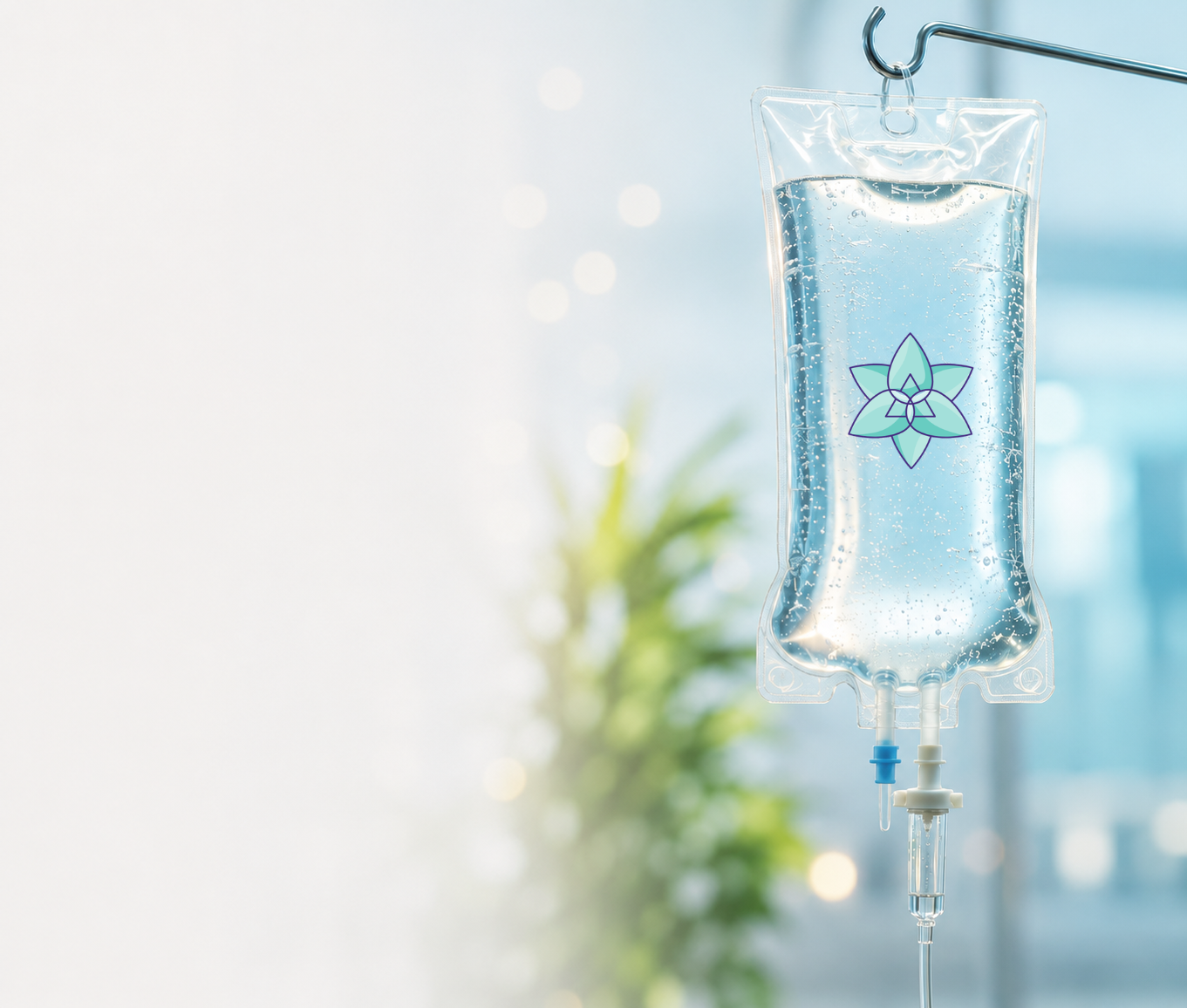
IV therapy (intravenous therapy) delivers fluids, vitamins, minerals, and other nutrients directly into the bloodstream through a small catheter placed in a vein.
Because nutrients bypass the digestive system, they are immediately available to the body.
This doesn’t necessarily mean IV therapy is “better” than oral supplements in every situation. However, there are times when direct delivery may be beneficial, especially when someone is dehydrated, recovering from illness, dealing with increased physical demands, or looking for additional wellness support.
Why Do People Choose IV Therapy?
People seek IV therapy for many different reasons.
Some are looking for hydration support.
Others are interested in supporting energy, immune health, athletic recovery, or overall wellness.
Common reasons people explore IV therapy include:
- Fatigue
- Dehydration
- Recovery after illness
- Athletic performance and recovery
- Travel recovery
- Busy schedules and increased stress
- Wellness optimization
- Nutrient support
Every person is different, which is why a personalized approach is important.
What Happens During an IV Therapy Appointment?
For many first-time patients, this is the question they’re most curious about.
The good news is that IV therapy appointments are generally simple and comfortable.
After meeting with our Nurse Practitioner and determining which therapy is appropriate for your goals, a small IV catheter is placed into a vein, usually in the arm.
From there, you simply relax while the infusion is administered.
Many patients spend the time:
- Reading
- Listening to music
- Watching videos
- Working remotely
- Catching up on emails
Most appointments last between 30 and 60 minutes, depending on the specific infusion being administered.
Is IV Therapy Safe?
When administered appropriately under medical supervision, IV therapy is generally very safe.
At WellSpring Regenerative Health, patient safety always comes first.
Before receiving treatment, patients undergo an evaluation to ensure the therapy is appropriate for their medical history, medications, and wellness goals.
This is one reason it’s important to receive IV therapy from qualified medical professionals rather than simply choosing the closest option available.
Who May Benefit from IV Therapy?
There isn’t one single “ideal” IV therapy patient.
At WellSpring Regenerative Health, we see patients from across the Kansas City area—including Leawood, Blue Springs, and surrounding communities—who are looking for safe, medically supervised options to support hydration, recovery, and overall wellness, such as:
Busy Professionals
Long work hours, stress, travel, and demanding schedules can sometimes leave people feeling depleted.
Many professionals are interested in supporting hydration, recovery, and overall wellness.
Athletes and Active Adults
Physical activity places additional demands on the body.
Athletes often focus on recovery just as much as performance, making hydration and nutrient support an important part of their routine.
People Recovering from Illness
After an illness, many people experience lingering fatigue and dehydration.
Appropriate hydration and nutritional support may help support recovery.
Adults Focused on Preventative Wellness
Some patients simply want to take a proactive approach to their health.
Rather than waiting until they feel poorly, they’re interested in supporting overall wellness and maintaining healthy habits.
What About Vitamin Injections?
Many wellness clinics also offer vitamin injections as an alternative to a full IV infusion.
Depending on individual goals, options may include:
- Vitamin B12
- Vitamin D
- MIC injections
- Immune-support formulations
- Other wellness-focused injections
These treatments are typically quicker than a full IV infusion and may be appropriate for certain patients and goals.
Is IV Therapy a Substitute for Healthy Habits?
No.
And this is important.
No IV therapy can replace:
- Good nutrition
- Regular exercise
- Quality sleep
- Stress management
- Healthy lifestyle choices
We view IV therapy as a tool—not a shortcut.
The best results almost always occur when wellness therapies are combined with healthy habits and appropriate medical care.
Frequently Asked Questions
Does IV therapy hurt?
Most patients describe the process similarly to having blood drawn. Once the IV is placed, discomfort is typically minimal.
How often should I receive IV therapy?
That depends on your goals, health history, and the specific therapy being used. Some patients come occasionally, while others incorporate IV therapy into their ongoing wellness routine.
Will I feel results immediately?
Experiences vary. Some patients notice improvements quickly, while others experience more gradual changes over time.
Can everyone receive IV therapy?
Not necessarily. Certain medical conditions may affect whether a specific infusion is appropriate. That’s why medical evaluation is important.
Final Thoughts
IV therapy isn’t just for hospitals anymore.
For many people, it has become one part of a proactive approach to hydration, recovery, wellness, and overall health.
Whether you’re recovering from illness, training for your next event, managing a demanding schedule, or simply looking for ways to support your health, IV therapy may be worth exploring.
At WellSpring Regenerative Health, our goal is to provide safe, medically supervised wellness options that support your health goals and fit your individual needs.
As always, the best place to start is with a conversation.